The Silent Valleys of the Dolomites: Off-Grid Alpine Solitude
Where jagged limestone spires meet Ladin timber craftsmanship, high mountain silence offers a restorative antidote to modern haste.
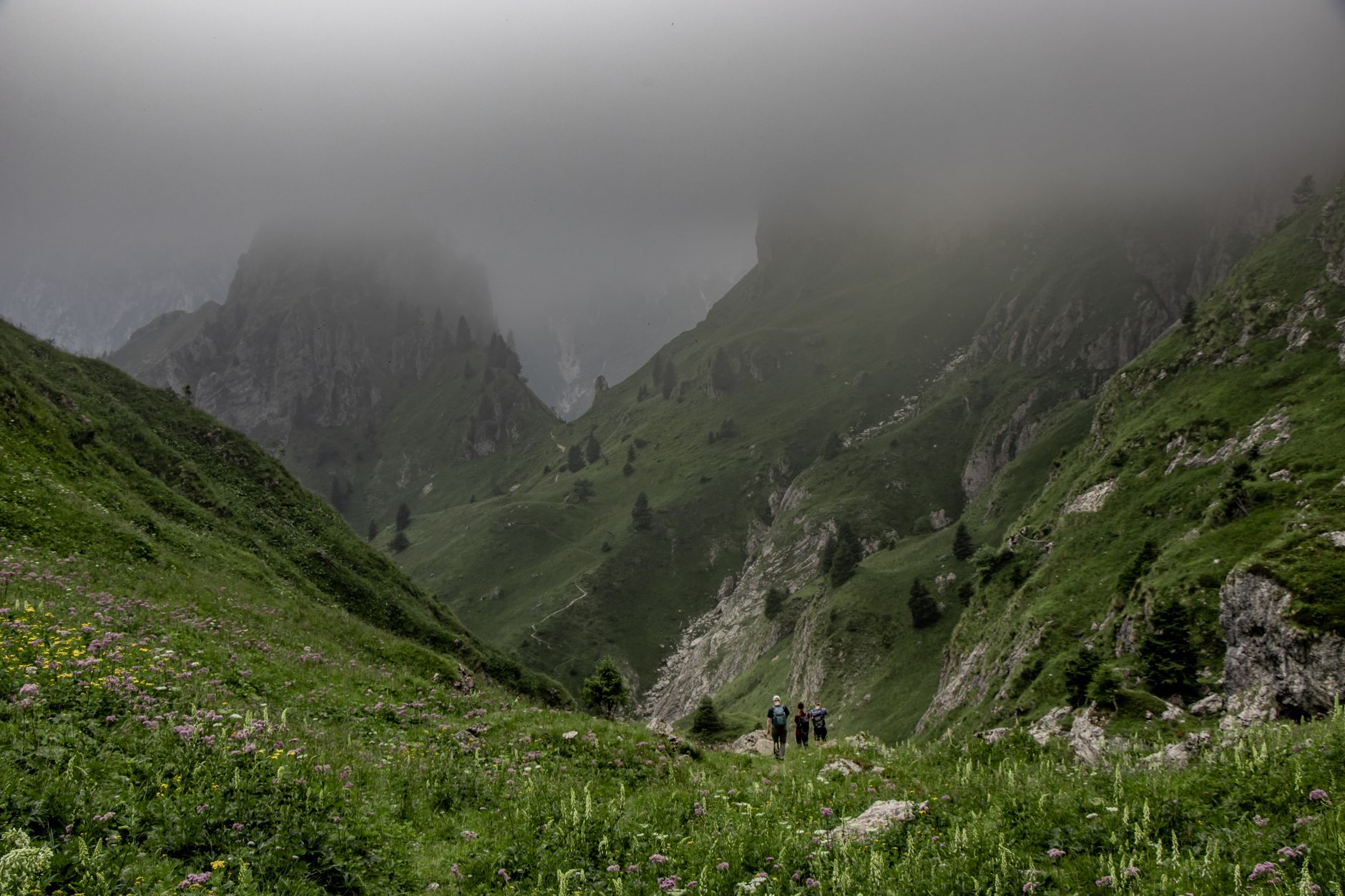
1. Beyond the Crowded Cableways
To experience the Dolomites in their authentic quietude, one must arrive when the summer day-trippers depart. By late September, the larch needles begin their transformation into spun gold, and the early autumn frost blankets high alpine meadows known as alms.
Here, geography dictates a different rhythm. While lower valleys boast bustling resort infrastructure, ascending past 2,000 meters reveals a network of rifugios—stone and pine refuges originally constructed for shepherds and pioneering mountaineers. These dwellings are defined not by ostentation, but by radical simplicity: warm stove wood, polenta stirred over open flame, and views that dissolve into starry midnight emptiness.
"The mountains do not demand that you conquer them; they require only that you quiet the unnecessary noise of your mind before entering."
2. Ladin Heritage and Timber Memory
In the valley of Val Badia, linguistic traditions predate modern Italian boundaries. The Ladin people, descendants of Romanized Raetians, have preserved a language and architectural idiom tuned to survive unforgiving winters. Their homes—viles—are clustered hamlets structured around communal grain-drying racks and shared stone baking ovens.
Visiting an active carpenter's workshop in San Cassiano reveals how regional stone pine (Cirmolo) is harvested only during specific lunar cycles to ensure longevity and aromatic potency. It is this patience that defines slow alpine travel: recognizing that a carved bench or ceiling beam carries two centuries of botanical and cultural patience.
Curator's Field Recommendations
- •Season: Mid-September to late October for golden larches and empty trails.
- •Base: Alta Badia hamlet chalets; prioritize family-run stüas with wood-burning heating.
- •Pacing: Allow a minimum of six consecutive nights in one valley rather than point-to-point road transit.
3. The Discipline of the High Trail
Walking the Alta Via paths without haste forces a sensory reset. Every step on limestone rubble grounds the senses. Meals taste earned, water drawn from snowmelt streams is crisp, and conversation with fellow walkers becomes honest and spare.
At dusk, as the jagged cliffs of the Sella massif turn deep coral pink—a phenomenon the locals call enrosadira—the traveler understands that true luxury is neither scarce material goods nor exclusive status. It is the privilege of undivided attention bestowed upon the earth's timeless formations.
Plan an Alpine Expedition
Let our travel atelier curate a private, season-appropriate itinerary across South Tyrol with bespoke lodge bookings.
Inquire with an Editor