Edge of the World: Glacial Fjords & Quiet Architecture
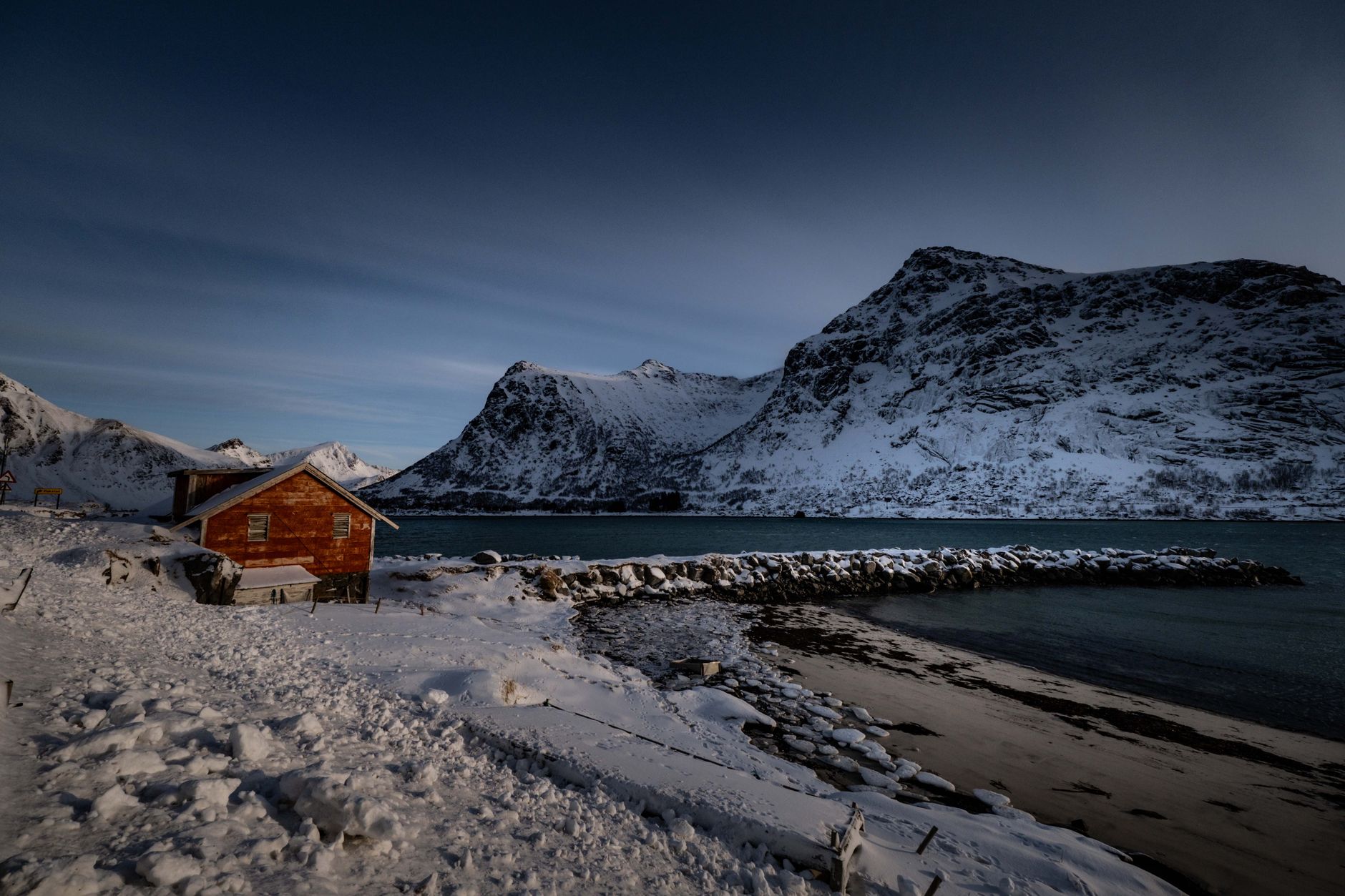
In the storm-swept coastal corridors of the Pacific Northwest and southern Patagonia, architects build dwellings that listen rather than boast.
1. Building with Oceanic Humility
Standing on coastal cliffs where gale-force winds tear inland from the open ocean, the hubris of ornamental architecture collapses. Here, building materials must endure salt spray, sub-zero winters, and torrential rainstorms. The modern architectural marvels rising along these fjords share a common philosophy: deference to raw terrain.
Instead of clearing ancient stands of Sitka spruce and red cedar, structures are suspended on discrete steel pilings that touch the soil with minimal footprint. Charred cedar claddings treated with the Japanese shou sugi ban technique resist rot without toxic chemical sealants, weathering over time into silvery tones that mirror granite boulders.
"A house on the ocean edge should not pretend to be a fortress; it should serve as a delicate lens through which we witness the sheer scale of the elements."
2. The Luxury of Warm Silence
Inside these remote shelters, design reduces human intervention to its essential minimum. Floor-to-ceiling triple-glazed timber windows frame gray waters where humpback whales surface in the morning mist. A central hearth, constructed of regional fieldstone, casts amber warmth across untreated fir floorboards.
In places like this, luxury is redefined not by what is present, but by what is gloriously absent: no traffic sirens, no fluorescent flicker, no algorithmic notifications. The soundscape is composed entirely of breaking waves, wind through pine needles, and the crackle of seasoned firewood.
Wild Coastal Field Guide
- •Recommended Timing: Late autumn for storm-watching drama and deep solitude.
- •Gear Essentials: Heavy waxed canvas outer layers, vulcanized rubber maritime boots, and water-resistant journal notebooks.
- •Navigation: Travel by maritime ferries and single-engine sea planes to bypass highway congestion.
3. The Transformative Solitude
Three days spent in an off-grid coastal outpost reorients human priorities. You begin noticing subtle shifts in tide height; your circadian rhythm locks naturally to the sunset; reading six chapters of a paper book without interruption becomes an effortless pleasure.
As we navigate an increasingly crowded and digital era, preserving access to wild spaces where architecture serves as a sanctuary for quiet contemplation is perhaps the highest form of preservation.
Discover Wilderness Sanctuaries
Consult with our architects and naturalists to arrange private stays at remote architectural lodges across the Americas.
Inquire with an Editor